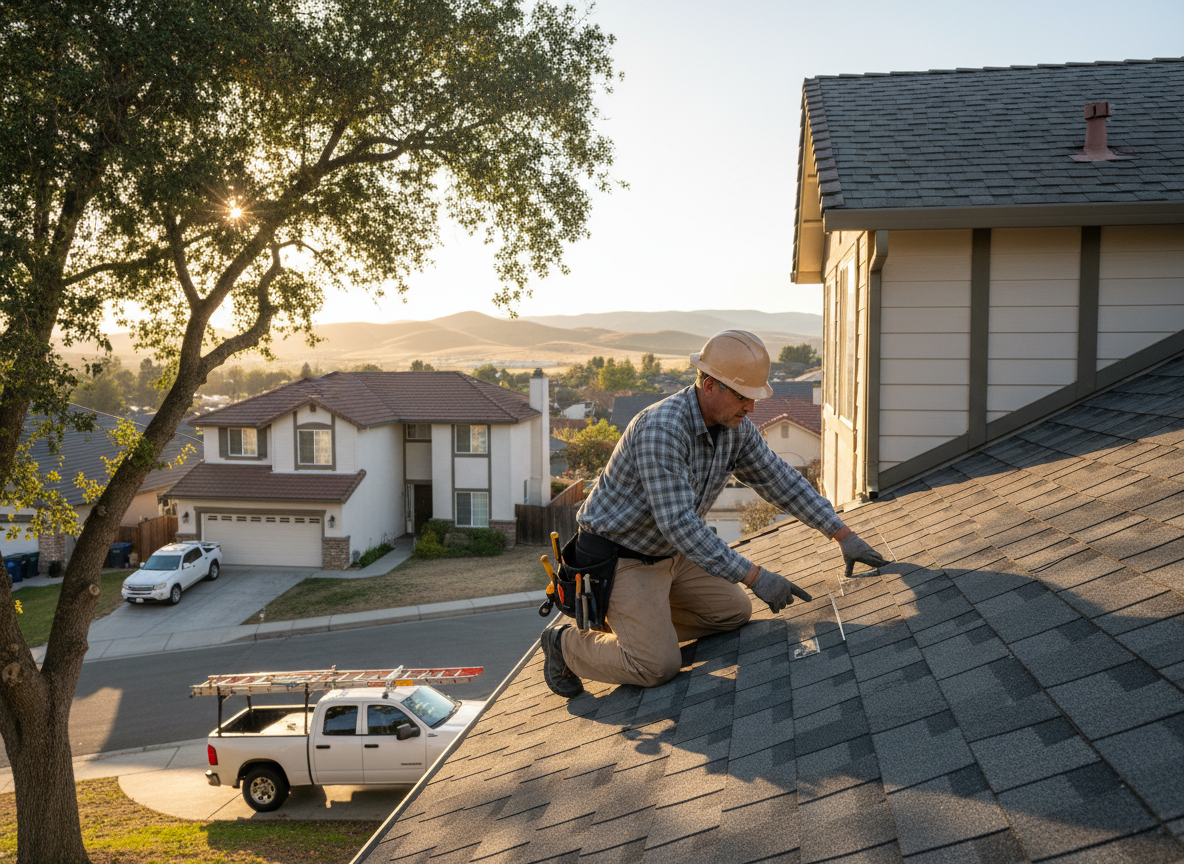
Oakley sits within Cincinnati in Hamilton County where many homes date to the early and mid twentieth century. These structures often carry multiple layers of asphalt shingles over original slate or wood, and the steeper pitches common on two-story brick houses change how crews stage materials and manage debris removal. Freeze-thaw cycles through winter combined with heavy spring rains test flashing around chimneys and valleys more than in flatter regions, so a roofing specialist checks for hidden rot along the roof deck before any surface work begins.
Local code in Hamilton County requires permits for roof replacement and proper disposal of old materials. Crews must also account for the mix of mature trees along streets like Madison Road that drop leaves and branches onto roofs, creating ongoing drainage problems. When addressing leaks reported after summer storms, the focus stays on verifying underlayment integrity and ridge ventilation rather than simply patching visible spots, because trapped moisture in older attics leads to ceiling damage months later.
Work on Oakley homes frequently involves coordinating around narrow driveways and shared property lines typical of the neighborhood grid. A roofing specialist brings portable scaffolding and debris chutes sized for these lots to protect landscaping and neighboring yards while keeping the job moving without street closures.
Technician insight
In Oakley the thing that catches most people out with roofing specialist work is the number of early-1900s homes around the square that still have two or three layers of old shingles. You plan for a full tear-off and extra disposal runs, but the real surprise is how the steep pitches and narrow side yards force slower material handling than flat suburban lots.
Oakley Roof Leak Near Madison Road
Homeowner noticed water stains after a heavy rain. Inspection showed failed step flashing along a chimney on a two-story brick house. Crew removed the affected shingles, replaced rotted decking, installed new step flashing and ice-and-water shield, then restored the surface. No further leaks appeared after the next several storms.
How it works
- 1
Site Assessment
Walk the full roof and attic to map existing layers, deck condition, and drainage paths specific to the Oakley property.
- 2
Scope and Material Plan
Review findings with the homeowner and outline required repairs or replacement using products suited to Cincinnati freeze-thaw exposure.
- 3
Execution
Remove damaged sections or full layers as needed, install new underlayment and flashing, then apply final roofing while protecting surrounding structures.
- 4
Final Walk and Documentation
Inspect every seam and penetration, clear debris, and provide the homeowner with a written summary of work completed.
Pricing
Upfront quotes provided after inspection; final cost depends on roof size, layers present, and access constraints.