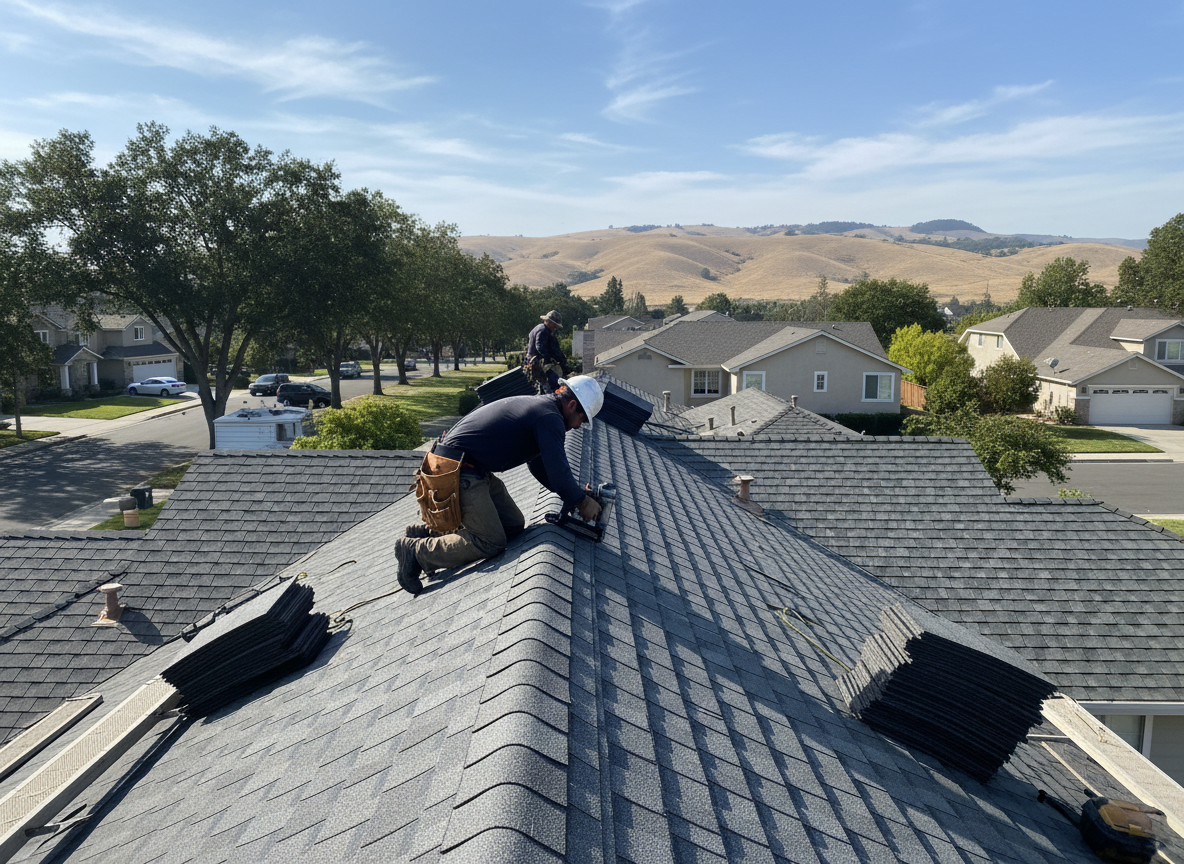
Roof covering in Oakley requires attention to the neighborhood's older housing stock, including early 20th-century bungalows and two-story brick homes common around Madison Road and the Oakley Square area. These structures often feature steeper pitches and original decking that demands careful underlayment choices to prevent ice dam issues during winter freezes. We select coverings like architectural shingles or metal panels that handle the freeze-thaw cycles typical in Hamilton County without trapping moisture against the sheathing.
Edge cases arise near the Little Miami River corridor where humidity and occasional flooding can accelerate underlayment breakdown. Proper ventilation and drip edge installation become critical on homes with limited attic access, a frequent condition in compact Oakley lots. Local building codes in Cincinnati require specific fastening patterns and flashing details around chimneys that we follow on every job to maintain wind resistance during spring storms.
Homeowners sometimes overlook how tree cover in areas like Oakley Park influences covering lifespan through leaf accumulation and shade-related moss growth. We inspect for these factors during initial assessment and recommend ridge vent additions where soffit space allows. This approach keeps the roof system performing through summer heat and heavy rainfall without unnecessary material upgrades.
Coordination with Cincinnati permitting ensures all roof covering work aligns with current energy code requirements for attic insulation interfaces. We verify deck integrity before laying new covering to avoid callbacks on older rafters that have settled over decades.
Technician insight
In Oakley, the thing that catches most people out with roof covering is how many older homes along streets like Wasson Road still have original rafter spacing that limits insulation depth and creates cold spots right where ice dams form first.
Oakley Bungalow Roof Covering
A homeowner noticed repeated leaks around the chimney after heavy winter rain. We found deteriorated flashing and compressed underlayment on the north slope. We replaced the covering with updated underlayment and proper step flashing while maintaining the existing ridge line. The roof now sheds water without ponding at the chimney base.
How it works
- 1
Initial Inspection
We examine the existing covering, deck condition, and flashing points on your Oakley property to identify hidden issues before any work begins.
- 2
Material Selection
We review options suited to Cincinnati climate and your roof pitch, confirming compatibility with local code and ventilation needs.
- 3
Preparation and Tear-Off
Old covering is removed, damaged decking is addressed, and new underlayment plus drip edge are installed with proper overlaps.
- 4
Installation and Final Check
New covering is applied following manufacturer guidelines, followed by a walkthrough to confirm all edges, vents, and penetrations are sealed correctly.
Pricing
Pricing depends on roof size, material choice, and deck repairs needed; we provide upfront quotes after inspection.