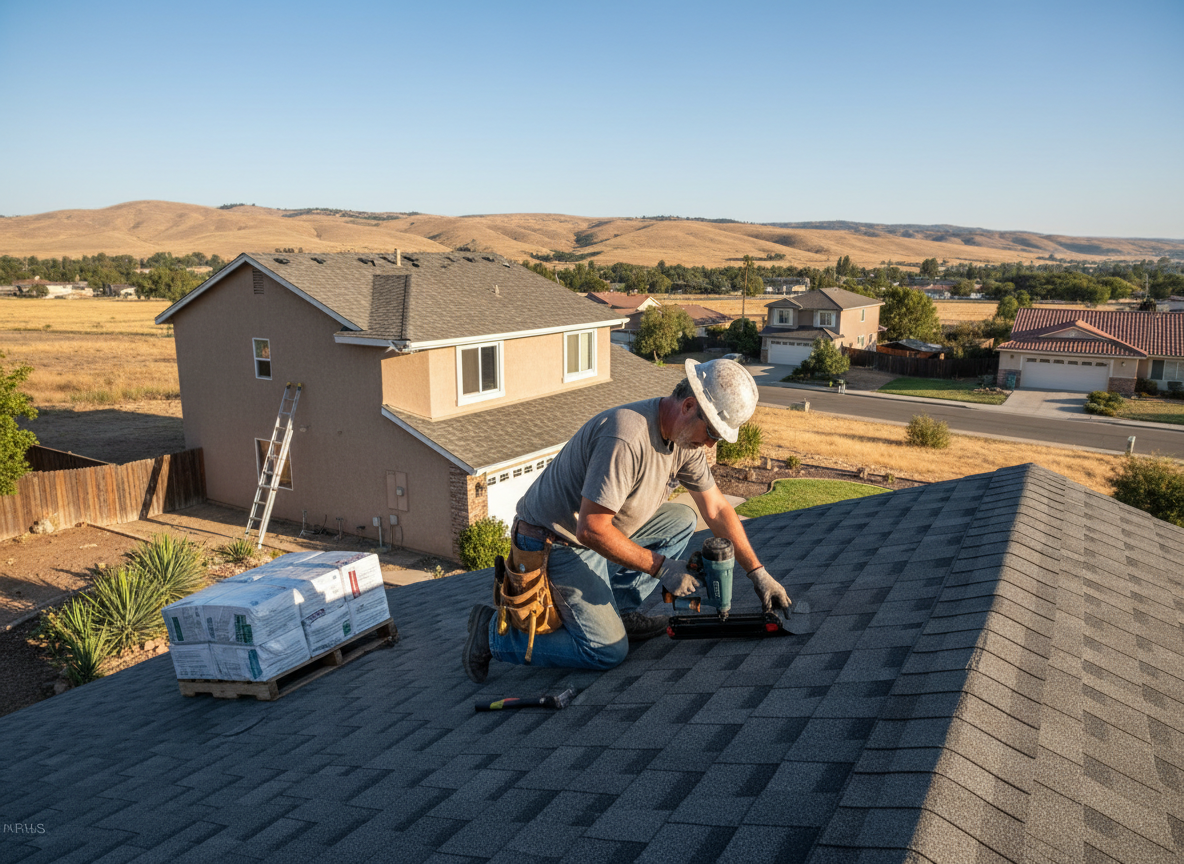
Oakley homes built before 1950 often feature steep roof pitches and original decking that demands careful underlayment choices to avoid ice dam issues during Hamilton County winters. Affordable roofing here typically centers on architectural asphalt shingles rated for high wind and heavy snow loads rather than premium metal that pushes budgets past practical limits. Proper ventilation upgrades during replacement prevent moisture buildup common in these tight attic spaces.
Summer thunderstorms rolling through Cincinnati bring hail and high winds that expose weak flashing around chimneys and valleys on Oakley streets like Madison Road. Selecting impact-resistant shingles within an affordable range reduces repeat repairs without over-specifying. Local code requires ice and water shield along eaves at least six feet up, a step that separates durable budget jobs from those that fail after the first hard freeze.
Terrain in the Oakley area includes gentle slopes toward the Little Miami River corridor, so drainage details around gutters matter more than on flat lots. We match shingle color and weight to existing homes to maintain neighborhood appearance while keeping material costs down. Skipping ridge vent installation on these roofs often leads to trapped heat that shortens shingle life in Ohio summers.
Edge cases include layered roofs from previous budget installs that must be torn off to meet current Hamilton County permitting rules. Affordable projects succeed when crews address rotted fascia boards around the eaves before new shingles go down, preventing water intrusion that homeowners later blame on the roof itself.
Technician insight
In Oakley, the thing that catches most people out with affordable roofing is the number of pre-war homes near the square that still have two layers of old shingles; adding a third layer seems cheaper until the first heavy snow causes sagging and leaks that force a full tear-off anyway.
Leak After Spring Rains
Homeowner in Oakley called after water stains appeared on ceilings following weeks of rain. Inspection showed failed flashing at a valley on a 1940s roof. We removed the damaged section, installed proper step flashing and new shingles matched to the existing affordable asphalt, and added extra underlayment at the valley. No further leaks reported through the next winter.
How it works
- 1
On-Site Assessment
Walk the roof and attic to check deck condition, flashing, and ventilation on Oakley properties.
- 2
Material Review
Present asphalt shingle options and underlayment suited to local snow and rain patterns with transparent pricing.
- 3
Preparation Work
Remove old layers where required, repair decking, and install ice shield along eaves before new roofing begins.
- 4
Installation and Cleanup
Apply shingles, seal all penetrations, and clear debris from the property the same day.
Pricing
Transparent estimates after inspection; final cost depends on roof size, layers to remove, and ventilation needs.